Choosing a front door: steel vs. fiberglass vs. wood on Long Island.
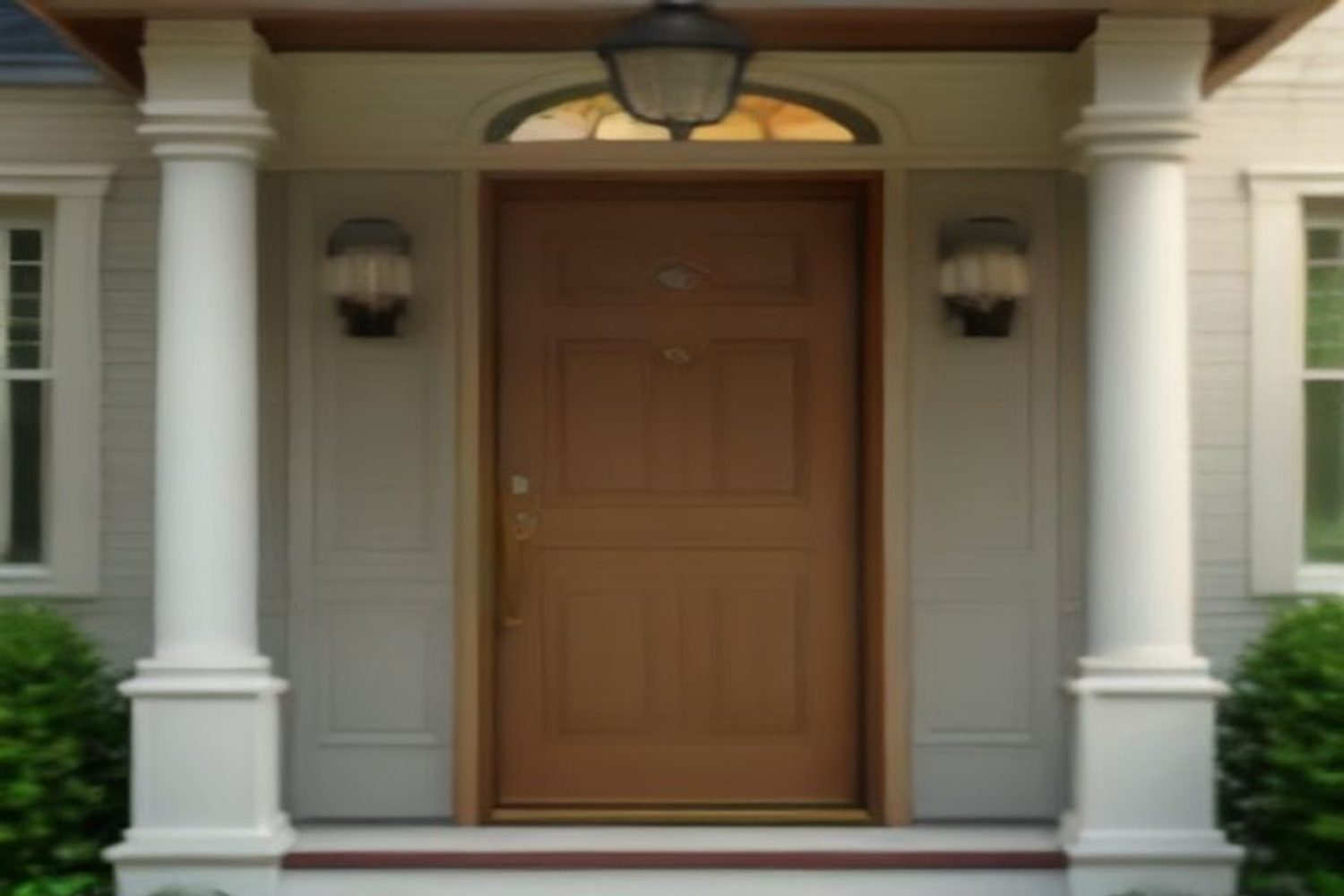
The front door does more work than any homeowner gives it credit for.
Your front door is the one part of the house every visitor touches, every delivery driver leans on, and every buyer notices first. It also seals the largest single opening in your exterior wall against Long Island's weather — the wind-driven rain of a Nor'easter, the salt-laced air that rolls in off the Great South Bay, the July humidity, and the January cold that finds every gap. A tired, drafty, or warped front door quietly costs you comfort and curb appeal every single day.
When homeowners come to us for a new entry door, the first real decision isn't the color or the hardware — it's the material. Steel, fiberglass, and solid wood each behave very differently in our climate, and the right pick depends on your priorities: security, energy efficiency, maintenance, or looks. Here's an honest walk-through of all three.
Steel doors: the value and security pick.
A steel entry door is built around an insulated core wrapped in a skin of galvanized steel. It's the most affordable of the three materials and the toughest to force open, which is why steel is the default choice for side and garage-to-house entries as well as many front doors.
Where steel shines:
- Security: A steel skin resists kicks, pry bars, and impact far better than wood or fiberglass. Paired with a solid deadbolt and a reinforced strike plate, it's a genuine deterrent.
- Energy efficiency: The foam core insulates well, so a quality steel door with good weatherstripping keeps drafts out through a Long Island winter.
- Cost: Dollar for dollar, steel gives you the most door for the money.
Where steel struggles: it dents, and a deep dent is hard to fix invisibly. It also conducts temperature, so a south-facing steel door in full summer sun gets hot to the touch, and condensation can form on the inside in deep winter. Most important for us on the Island — bare or scratched steel can rust, and salt air accelerates it. A steel door near the water needs its finish kept intact and any nicks touched up promptly. Steel takes paint well, but it won't ever read as real wood grain up close.
Fiberglass doors: the low-maintenance all-rounder.
Fiberglass has quietly become the most popular choice for Long Island front doors, and for good reason. A fiberglass door uses a composite skin — often molded with a convincing wood-grain texture — over an insulated core. It's the material we most often recommend when a homeowner wants the look of wood without the upkeep.
Why fiberglass wins so often here:
- It ignores the weather: Fiberglass won't rust, rot, warp, or swell. Salt air, humidity, and freeze-thaw cycles simply don't bother it, which makes it ideal for exposed or coastal-facing entries.
- Low maintenance: No annual refinishing. A wipe-down and the occasional re-stain or repaint every several years is all it asks.
- Energy efficiency: Its insulating core rivals or beats steel, and it doesn't conduct heat and cold the way a metal skin does.
- Looks: Better lines can be stained to mimic oak, mahogany, or cherry closely enough that most people can't tell from the curb.
The honest trade-offs: a good fiberglass door costs more than steel, and the cheapest fiberglass units have a flatter, more obviously synthetic surface. Fiberglass is also less impact-resistant than steel — a hard enough blow can crack rather than dent — though for everyday security a solid lockset matters far more than the door skin. For most Long Island homes, fiberglass is the balanced answer.
Wood doors: the beauty-first choice.
Nothing looks or feels quite like a real solid-wood entry door — the depth of the grain, the weight when it swings, the way a stained mahogany or oak slab anchors a colonial or a craftsman entry. On an older Northport, Babylon Village, or Garden City home where authenticity matters, wood is often the only material that looks right.
What you get and what you owe:
- Unmatched appearance: Real wood has a warmth and character the composites approximate but never fully match, and it can be sanded and refinished many times over its life.
- Repairability: Dings and scratches in wood can be sanded and refinished rather than replaced.
- The maintenance reality: Wood is the one material that fights our climate. Sun, salt air, and humidity make it swell, crack, and fade, so it needs refinishing or resealing on a regular cycle — more often on a sun-baked or unsheltered entry. Neglect it and it warps or rots.
Wood rewards homeowners who want the real thing and don't mind the upkeep — especially under a covered porch or storm door, where it's shielded from the worst of the weather. Left fully exposed to a west-facing afternoon sun and coastal air, it's the highest-maintenance option by a wide margin.
What actually matters on Long Island.
Beyond the material itself, a few local realities should steer your choice:
- Exposure and salt air: The closer you are to the water and the more direct weather your entry faces, the more fiberglass's rot-and-rust immunity pays off. A sheltered, north-facing entry gives you more freedom to choose on looks alone.
- Glass and sidelights: Sidelights and transoms bring welcome light into a dark foyer, but glass is where heat escapes. Look for insulated (double-pane) glass with a Low-E coating, and remember that more glass generally means a bit less security and insulation than a solid slab.
- Energy ratings: Whatever the material, look for an ENERGY STAR-rated door and a complete weatherstripping and sweep package. A drafty install undoes a good door.
- The whole opening: The slab is only part of the system. The frame, threshold, weatherstripping, and how squarely it's all set into the wall determine whether the door seals for twenty years or leaks air by next winter.
Installation is half the door.
Here's the part the showroom won't stress: the best door in the world performs like a cheap one if it's hung out of plumb, shimmed poorly, or left with gaps in the weather seal. An entry door has to sit square in an opening that time and settling have often knocked out of true. Getting it right means checking the framing, correcting the rough opening if needed, setting the unit dead level, insulating around the frame, and sealing it against wind-driven rain. When an older opening has shifted or rot in the framing turns up once the old door is out, our own crews handle the carpentry on the spot rather than papering over it — and for anything structural, we bring in a licensed engineer. That's the difference between a door that looks good on day one and one that still seals and swings true years later.
What drives the cost of a new front door.
There's no single price for a front door because no two entries are the same. What moves the number is the material and how the door is built, the size and configuration (a single slab versus a unit with sidelights and a transom), the amount and type of glass, the hardware and lockset you choose, and how much carpentry the opening needs once the old door is out. A straightforward swap into a sound opening is a modest job; correcting a rotted or out-of-square frame adds labor. Rather than guess over the phone, we come out, measure the opening, look at the condition of the framing, and put a free written quote in your hands — typically within 1–2 business days.
Family-owned and based in West Babylon since 1989, Just Enterprise One Corp. is licensed, insured, and bonded (NY License #H0309970000), and we back every install with straight advice about which door actually fits your home and exposure. Ready to upgrade the first thing people see? Explore our door installation services, see how a matched set of new windows can complete the exterior, or read our guide to choosing exterior paint colors so your new door and trim work together. Seniors and military families receive a 10% discount.