Reface or replace kitchen cabinets in a 1960s Long Island kitchen? Read the boxes first.
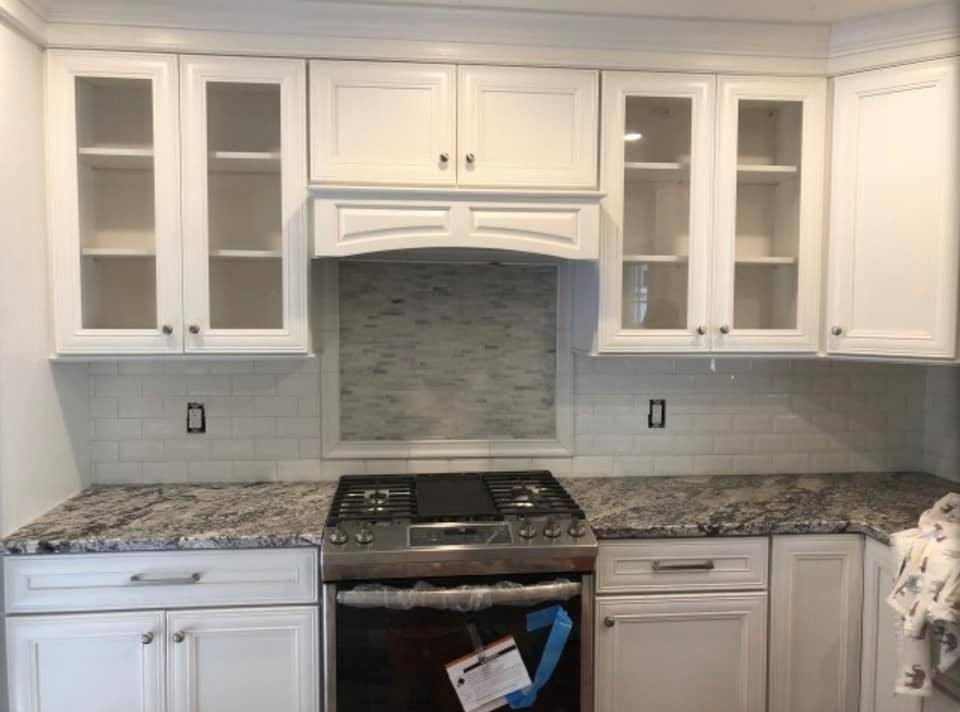
Start with the cabinet boxes, not the door style.
For a Long Island homeowner planning a kitchen this week, refacing works when the cabinet boxes are solid, square and still fit the way the household uses the room. A 1960s cape can have remarkably durable boxes under dated doors, but the face frames, shelves and bases have to pass an honest inspection before new fronts make sense.
Refacing keeps the existing layout. The doors and drawer fronts change, visible frames are covered to match, and new hardware finishes the look. Replacing cabinets means the room can be rearranged, but it also opens decisions about flooring, walls, electrical locations and the plumbing route. Neither route is automatically better. The useful choice begins with what is behind the doors.
What a sound cabinet box looks like.
A cabinet box is a good candidate for refacing when it sits level, its face frame is intact and the lower cabinet stayed dry around the sink and dishwasher. Open every door and drawer, look into the corners with a flashlight, and push gently at the sides. Movement, swelling or a musty smell deserves more attention than a worn finish.
- Check the base near water: Look beneath the sink, beside the dishwasher and at the toe kick for swollen particleboard, dark staining or a soft floor.
- Check the face frames: New doors need straight, secure surfaces for hinges and consistent gaps between them.
- Check drawers in motion: A drawer that drags may need an adjustment, while a cabinet that is racked or loose points to a larger problem.
- Check the wall line: An older Long Island kitchen may have a wall that is not perfectly straight. The cabinet run can still be usable if it is sound and the finished fronts can be fitted cleanly.
Solid wood face frames and plywood boxes often hold up well. A single damaged cabinet does not always require replacing the entire run. The question is whether the damage is isolated or whether moisture and movement have affected the system that supports the new doors.
When replacement is the more sensible conversation.
Replacement is usually the better conversation when the layout itself is the problem, the boxes are water-damaged or the work needs access behind and around the cabinets. A refaced kitchen can look new, but it cannot create a pantry, move a cramped doorway or correct cabinets that were built around a failing floor or an awkward appliance opening.
Think about the daily bottleneck. If two people cannot pass at the sink, the refrigerator blocks the landing space, or the only useful prep area is too small, new door fronts will not change that. Full replacement gives the plan room to change, including where drawers, tall storage and work surfaces belong.
It also makes sense when the scope includes an opening in a wall, a change to the plumbing location or substantial electrical work. Those decisions should be made before cabinet dimensions are fixed. In an older cape or ranch, opening the room may also reveal uneven framing or prior alterations that need to be understood before new cabinetry hides them again.
Make the layout decision before choosing finishes.
Choose refacing only after you have confirmed that the kitchen's working layout still serves the people who use it. Door profiles, paint colors and pulls are satisfying decisions, yet the cabinet plan has to handle groceries, cooking and cleanup every day. Mark the current traffic path and identify what routinely gets in the way.
Measure the clear space at the sink, range and refrigerator with doors and drawers open. Note where small appliances live and whether they have a safe, convenient outlet. If the existing cabinet line has enough storage and workable clearances, refacing can keep a practical arrangement while changing the appearance. If it cannot, make the layout change first and select cabinets to suit it.
Winter is a useful planning season on Long Island because there is time to empty cabinets, compare layouts and make material decisions before a spring start. Photograph the room from every wall and keep a short list of what annoys you during a normal week. That list is more valuable than a collection of finish samples when the design meeting begins.
Plan the work that sits behind the cabinets.
A kitchen cabinet decision often exposes work behind the visible finishes, including wall repair, floor repairs, outlets, plumbing connections and ventilation planning for cooking. Refacing keeps much of that area covered, while replacement gives access to inspect and address it. Decide which route fits the condition of the room before ordering doors or boxes.
If the project includes new appliances, use ENERGY STAR's homeowner resources to compare efficiency considerations as part of the whole-kitchen plan. NYSERDA's homeowner resources are another authoritative place to review New York home-energy programs and planning support. Both sources are useful early, when appliance clearances and electrical needs can still be coordinated with the cabinet layout.
For a remodel that changes walls or substantially changes the room's systems, confirm the permit path before materials are ordered. A site visit can identify the existing conditions and give the project a sequence that does not ask finished cabinetry to solve an unfinished construction problem.
Get a clear scope before you commit.
A clear scope separates a cosmetic cabinet update from a kitchen remodel with hidden repair or layout work. Ask for the condition of the boxes, the plan for damaged material, what happens at the floor and walls, and which details are included around appliances. That gives you something solid to compare before deciding between refacing and replacement.
Bring photos of the sink base, drawer interiors and any spots that show staining or movement. Mention doors that collide, drawers that will not close and rooms that feel short on storage. Just Enterprise One Corp. can assess the existing kitchen and provide a free written quote within 1 to 2 business days once the scope is clear.
For more planning help, see our guides to what happens during a kitchen remodel and what drives a Long Island kitchen remodel. When the cabinet boxes are sound, refacing may be the right focused project. When the room itself needs to change, replacement gives the new kitchen a better starting point.