We pulled the siding and found rot: what happens next on a Long Island re-side
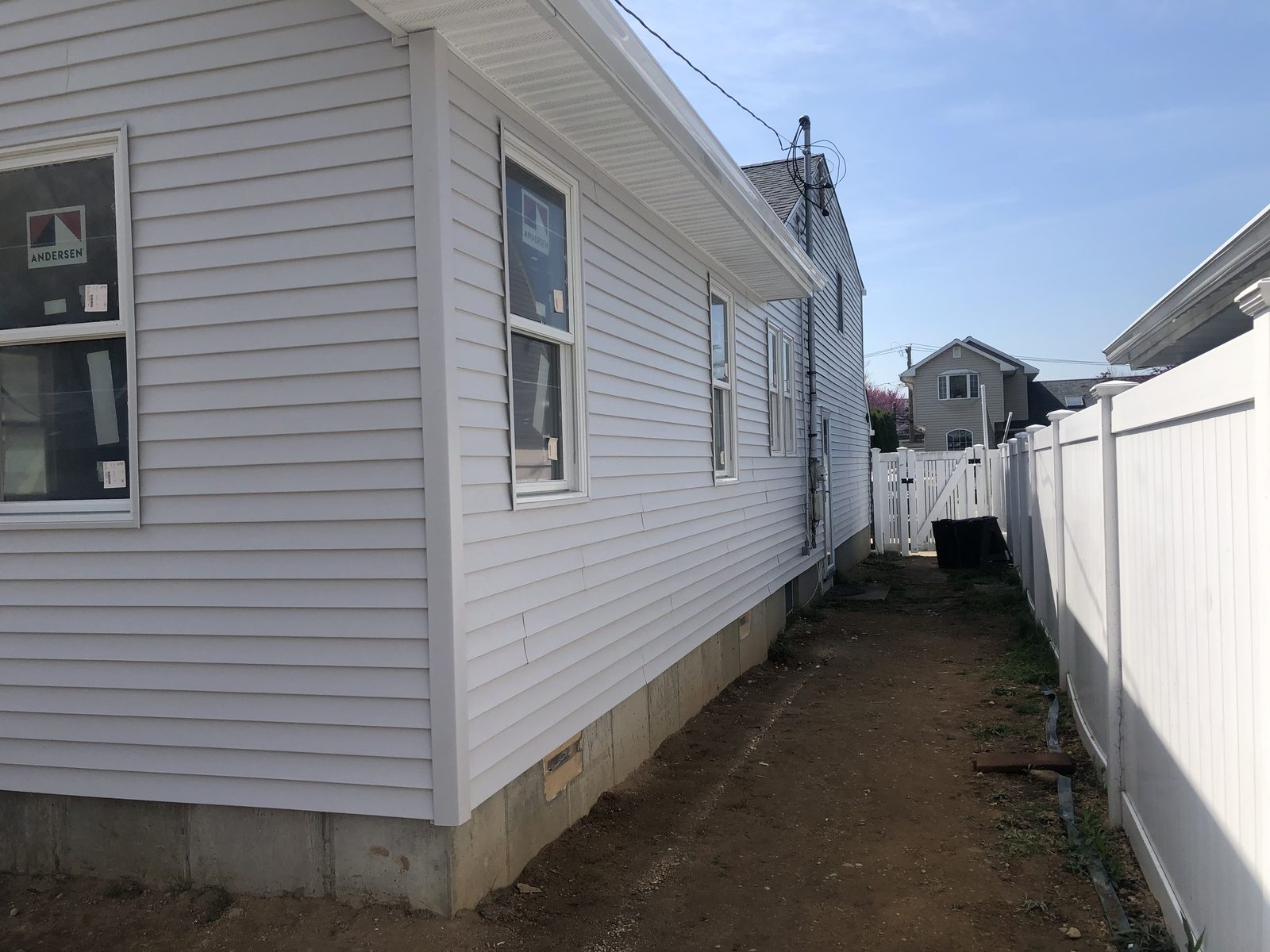
Finding soft, dark, or crumbling wood after the siding comes off changes the job, but it does not automatically mean the whole wall is lost. The right next step on a Long Island re-side is to expose enough of the area to see the full damage, trace the water path, repair soundly, then rebuild the wall layers before the new siding closes everything back up.
First, find the edge of the damage.
Rot is only as small as the last piece of sound wood around it. Once the siding is off, the wall needs a look at the sheathing, studs, window opening, corner boards, and lower edge where the wall meets the foundation. A dark spot may be limited to a small patch, or it may run farther than the stain suggests.
That is why a re-side should not jump from demolition straight to new panels. Pressing on suspect areas, checking fastener hold, and opening the trim around a nearby window shows whether the damage is surface-deep or part of a larger wet path. Photographs before any repair are useful too. They make the changed scope visible and give the homeowner a record of what was found.
The rot is the symptom, not the cause.
Wood decays because it stayed wet. Replacing the section without fixing water's route hides the problem behind siding. Look for a failed joint at trim, a window detail that sends water behind the wall, a split board, or a low edge that stays damp after rain. The repair should answer where that water entered and where it can drain.
On a 1950s ranch or post-war cape, the wall may have been altered more than once. An old patch, a replacement window, or a former exterior light can create a break in the wall surface that is easy to miss from the yard. Long Island's wind-driven autumn rain is good at finding those small gaps, especially on the sides of a house that take the weather head-on.
- At a window: look above the opening and at both side edges, not only below the sill.
- At a corner: inspect the trim transition and the first full siding course beside it.
- Near grade: check whether soil, mulch, or a paved walk holds moisture against the lower wall.
What a proper wall repair looks like before re-siding.
A proper repair removes wood that has lost its strength, replaces it with sound material, and restores a continuous weather layer before the siding goes back on. The exact extent depends on what is exposed. A small damaged section of sheathing may need a localized patch; compromised framing or a changed opening deserves a wider assessment before anyone covers it.
This is also the useful moment to inspect insulation and air leaks. The wall is already open, and that opportunity disappears when the siding is back in place. ENERGY STAR's homeowner guidance includes sealing and insulating among the improvements worth considering as part of a whole-home approach. NYSERDA's homeowner resources are a good place to review available home-energy information before deciding how far to take that work.
If the discovery changes the job from finish work to structural repair, pause before closing the wall. The local building department can tell you what it needs for the revised scope, and Just Enterprise One Corp. brings in a licensed engineer when structural or permit work calls for one.
Do not let the repair become a cosmetic patch.
The tempting shortcut is to cover a questionable area because the new siding will make it disappear. That is a bad trade. New siding can shed water well, but it cannot turn softened sheathing or compromised framing back into solid material. The wall should be dry, sound, and ready to hold fasteners before the exterior finish begins.
Ask to see the affected area while it is open and ask what caused it. A clear explanation should cover the wood being replaced, the water path being corrected, and how the layers will overlap so water is directed outward. That conversation is more useful than a vague promise that the issue will be handled.
How this changes your schedule and quote.
Hidden rot adds work because the repair has to happen in sequence: expose, assess, remove damaged material, rebuild, restore the wall layers, then continue the siding installation. Wall area, access around landscaping or a tight side yard, and the condition of nearby trim affect the scope. A written update should separate the repair from the original re-side plan.
Fall is a sensible time to deal with an exposed wall on Long Island, but weather still matters. A dry stretch gives the repaired area time to be checked and closed correctly. When rain is expected, the priority is keeping the opening protected while the repair is underway, not rushing new siding over material that has not been properly addressed.
Questions homeowners ask when rot shows up
Can the siding still be replaced if only one area is damaged?
Often, yes. The important part is that the damaged section and the reason it got wet are addressed before the siding is installed over it. The exposed wall tells you whether the repair can stay local or needs to expand.
Should I wait until spring?
Not if the wall is already open or the siding is failing at the damaged area. The work needs dry conditions and good protection during the repair, but leaving a known wet path through another Long Island winter can make a limited issue larger.
What should I ask for in writing?
Ask for the location of the damage, the repair approach, the water-management detail being corrected, and what changes in the scope. A free written quote gives you a concrete starting point before work begins.
For the broader material decision, read our guide to siding materials for Long Island homes. If you are already planning the replacement itself, start with what a Long Island siding replacement involves, or contact us to discuss the wall you have.