Porcelain vs. ceramic vs. natural stone tile: how to choose.
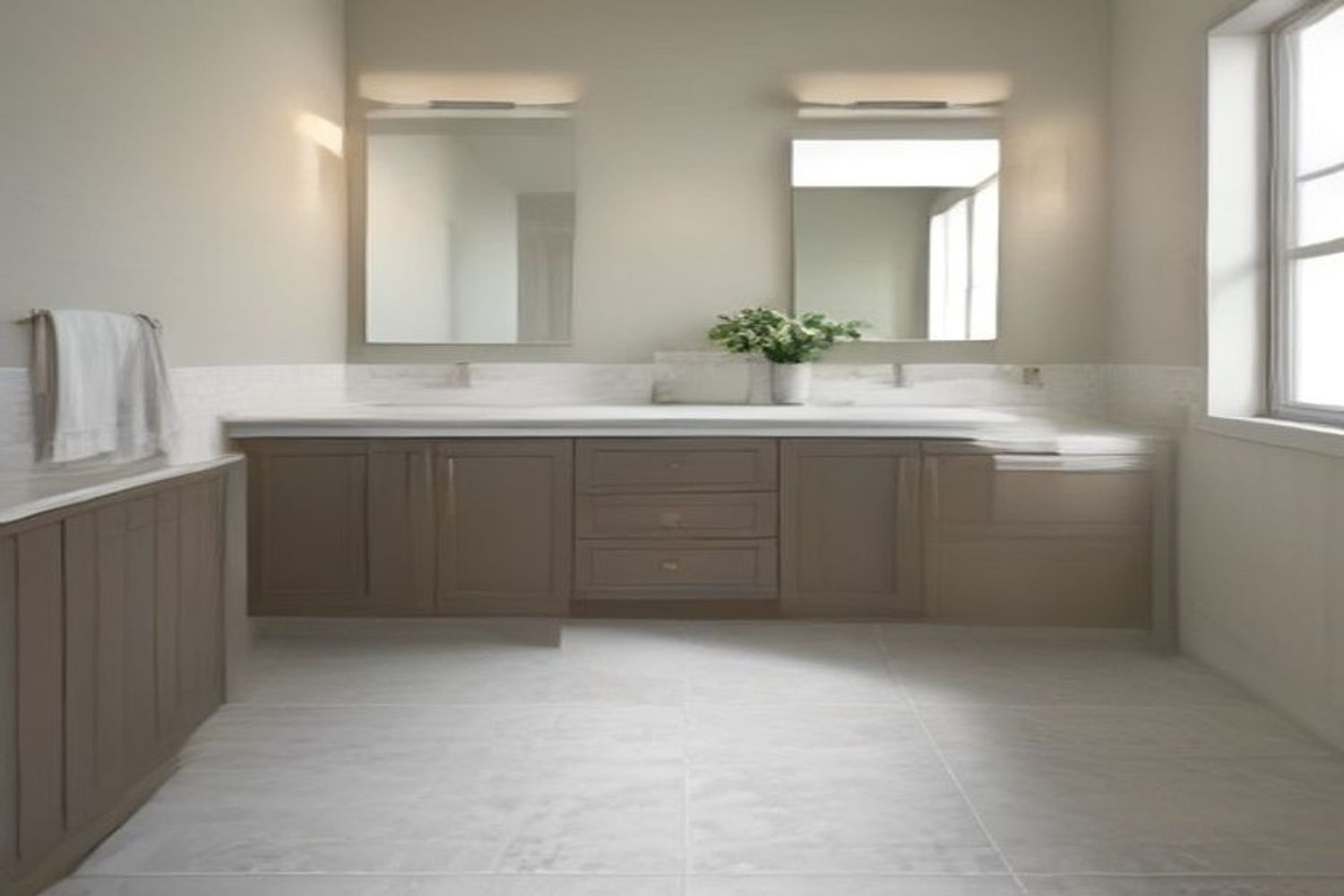
Standing in the tile aisle, most of the samples look interchangeable — a wall of squares in every color and finish you could want. But the label on the back matters more than the pattern on the front. Porcelain, ceramic, and natural stone behave very differently once they're on your floor or shower wall, and picking the wrong one for the room is one of the most common regrets we hear about on Long Island remodels. Here's how to tell them apart and match the material to where it's actually going.
The three materials, in plain terms.
All tile falls into one of these families, and each has a distinct personality once it's installed and lived on.
- Ceramic: Made from red or white clay, fired at a lower temperature, then glazed. It's softer, lighter, and easier to cut, which makes it a friendly choice for walls and lower-traffic floors. The glaze gives you the color and finish; the clay body underneath is more porous, so a deep chip shows a different color than the surface.
- Porcelain: Technically a type of ceramic, but made from denser clay fired at a much higher temperature. The result is a harder, less porous tile rated for heavy use. "Through-body" and glazed porcelains are widely available, and today's large-format and wood-look planks are almost all porcelain. It's the workhorse.
- Natural stone: Marble, travertine, slate, granite, and limestone cut from the earth — no two pieces identical. Stone brings a depth and character that manufactured tile imitates but never quite matches. In exchange, it's porous, needs sealing, and asks for more care over its life.
Durability: how each holds up underfoot.
For a floor, hardness is the first question. Porcelain leads here — its density and low water absorption make it the most forgiving choice for busy areas like an entry, mudroom, or kitchen, where sand tracked in off the beach and winter grit act like sandpaper. A quality porcelain shrugs that off for decades.
Ceramic is plenty durable for walls, backsplashes, and bathrooms that don't take a beating, but on a high-traffic floor the softer body is more prone to chipping and surface wear over time. Natural stone is genuinely hard, but "hard" isn't the same as "carefree" — softer stones like marble and travertine scratch, etch, and stain if they're not sealed and maintained, especially anywhere acidic kitchen spills land. Slate and granite are tougher and handle traffic well.
Water, and why it matters so much here.
Long Island's humidity, coastal air, and freeze-thaw winters make water resistance more than a footnote. Porcelain's very low absorption rate is why it's the go-to for showers, tub surrounds, and any floor that gets wet. Ceramic is fine for walls and dry-to-damp areas, but it drinks up more water, so it's a weaker pick for a shower floor. Natural stone is porous by nature and must be sealed on installation and periodically after — skip that on a bathroom or a slate entry and you invite staining and, near the water, a slow breakdown. If a space sees real moisture, porcelain removes a lot of worry.
Look and feel: where the personalities show.
This is where the decision gets personal. Natural stone has a warmth and variation that reads instantly as "real" — a travertine floor or a marble shower niche carries a look manufactured tile chases but never fully lands. If that character is what you're after and you're willing to maintain it, stone earns its keep.
That said, porcelain has closed the gap dramatically. Large-format porcelain that convincingly mimics marble, concrete, or wide-plank oak now covers plenty of Long Island floors, giving you the look with far less upkeep and none of the sealing. Ceramic still owns the world of colorful, patterned, and handmade-look wall tile — think a glossy subway backsplash or a bold bathroom accent wall where its glazes and lower cost shine.
Matching the tile to the room.
Rather than crown one winner, match the material to the job. A few rules of thumb we lean on for Long Island homes:
- Entry, mudroom, kitchen floor: Porcelain. It stands up to grit, water, and traffic, and modern wood-look and stone-look planks give you the aesthetic without the babysitting.
- Shower walls and tub surround: Ceramic or porcelain both work on walls; use porcelain (or a properly sealed stone) on the shower floor, where water sits longest.
- Backsplash or accent wall: Ceramic. Walls don't take abuse, so this is where you can enjoy color, pattern, and texture at a friendlier price.
- Statement bathroom floor or fireplace surround: Natural stone, if you love the look and accept the sealing. This is where its character pays off.
- Basement or three-season room: Porcelain, for its resilience to temperature swings and dampness common in Long Island basements.
Upkeep over the years.
Think past installation day. Porcelain and glazed ceramic are close to no-fuss — routine cleaning, and the grout lines are usually the only thing that needs attention over time. Natural stone is the higher-maintenance member of the family: periodic resealing, pH-neutral cleaners only, and quick attention to spills on anything acid-sensitive like marble. None of that is a dealbreaker, but it's a real commitment, and it's better to know it going in than to discover it after an etched countertop or a stained floor.
What drives the cost of a tile project on Long Island.
There's no flat rate for a tile job, because the material is only one piece of it. The tile itself spans a wide range — basic ceramic at the affordable end, premium porcelain and natural stone at the top — but the bigger cost drivers are usually the labor and the prep. What actually moves the number:
- Material and format: Large-format tile, natural stone, and intricate mosaics or patterns take more time and skill to set than a standard field tile.
- Layout complexity: Diagonal sets, herringbone, borders, niches, and curbless showers all add labor over a simple grid.
- Substrate and prep: The surface underneath has to be sound. Leveling a wavy floor, replacing water-damaged subfloor, or building in a proper moisture barrier and shower pan is where surprises live — and where cutting corners causes failures later.
- Demo and disposal: Tearing out old tile, mortar, and sometimes the layer beneath it is real work before a single new tile goes down.
- Square footage and room count: More area and more rooms mean more material, more cuts, and more time.
Because all of that is specific to your house, we don't quote tile over the phone from a guess. Call (631) 983-8079 and we'll look at the space, talk through the right material for how you'll use the room, and put a free written quote in your hands within 1–2 business days.
The honest answer to "which tile is best" is that there isn't one — there's a best tile for your room, your traffic, and how much upkeep you want to sign up for. If you're weighing options for a bathroom, kitchen, or entry, we're glad to walk the space with you. Learn more about our tile flooring and flooring work, or see how tile fits into a full bathroom remodel. Established in West Babylon in 1989 and licensed, insured, and bonded (NY License #H0309970000), we've been helping Long Island homeowners get these calls right for 37 years.