Can windows be replaced in a Long Island winter? What a cold install day actually looks like.
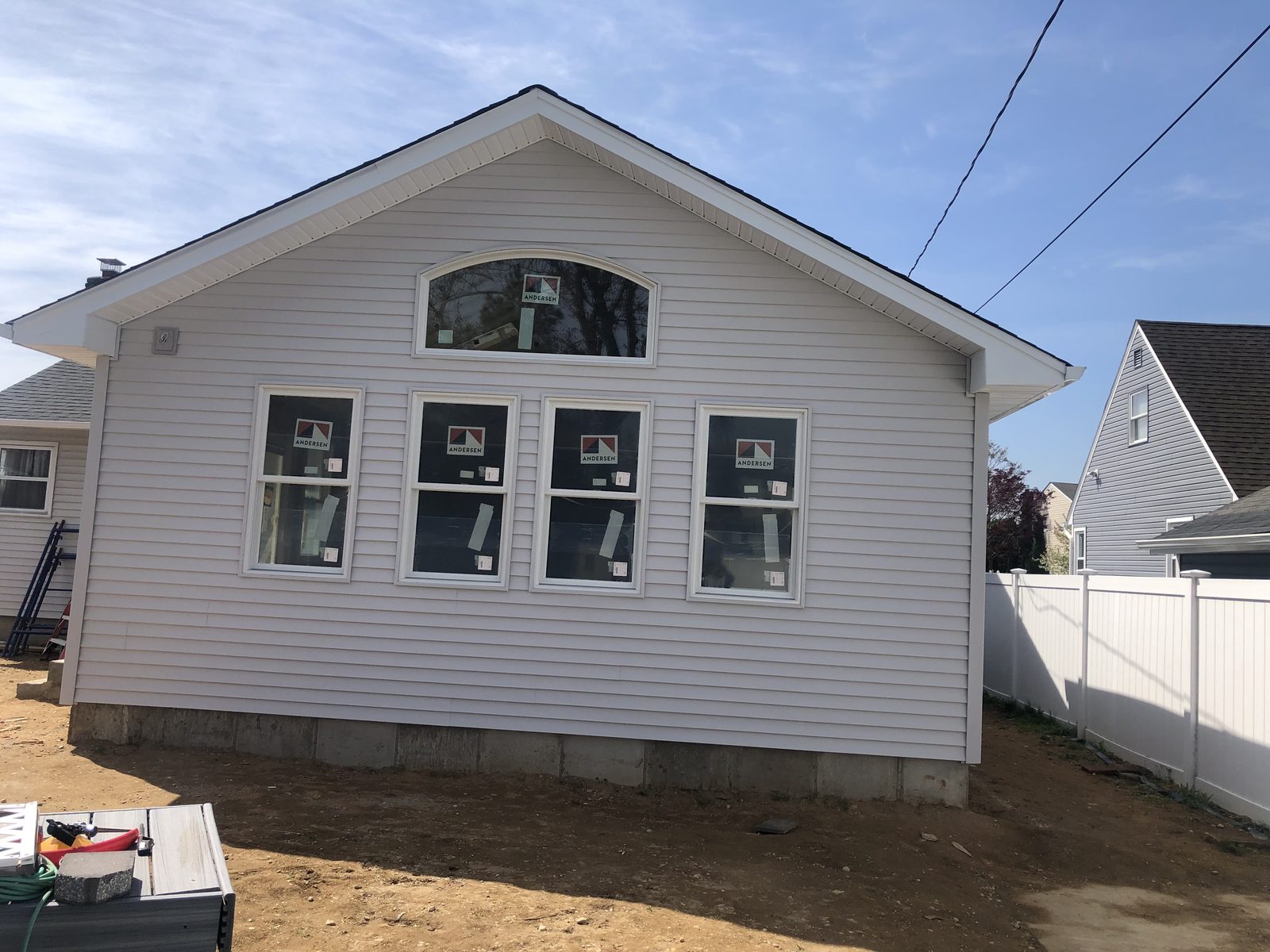
The house is not left open all day.
A winter window replacement can be done on Long Island when the day is suitable, because the crew works one opening at a time and closes it before moving on. For a homeowner living with a drafty 1950s cape this week, that is the useful answer: the room is briefly exposed, not abandoned to the cold.
The plan changes with the weather and the house. A protected opening on a calm, dry day is one thing. Wind-driven precipitation, ice at the work area or a forecast that will not allow sealants to perform is another. The right response is not to force a calendar date, but to schedule the installation around a workable weather window.
What actually happens at each opening.
On a cold install day, the old unit comes out, the rough opening is checked, and the new window is set and insulated before the crew moves to the next one. That sequence limits heat loss and gives the installer a chance to correct a problem that was hidden by the old trim.
The opening tells its own story once the old window is out. Soft wood, staining, a gap around the frame or a sill that does not shed water cannot be solved by setting a new unit over it. Those conditions need to be addressed while the opening is accessible, then the replacement can be fitted square and sealed as a complete assembly.
- Inside protection comes first: Clear the work area, move curtains and blinds, and make a path to each window.
- One opening at a time: A staged sequence keeps the rest of the house closed while work continues.
- Fit matters before finish trim: The frame, sill and surrounding wall need to be sound before interior and exterior details are completed.
Cold weather changes the schedule, not the standard.
Cold weather can slow a window installation because hands, materials and sealants all need conditions that allow careful work, but it does not lower the standard for a weather-tight opening. On Long Island, wind exposure and damp conditions can matter as much as the thermometer, especially on an exposed side of a colonial or cape.
Ask what the installer will do if the weather turns while the job is underway. A clear answer covers the daily sequence, protection for an unfinished opening and when it makes sense to pause. That conversation is more useful than a blanket promise that every winter day works the same way.
Start with the draft you can feel.
A winter draft is useful evidence because it helps narrow down whether the discomfort comes from the glass, the operable sash, the trim or a larger gap in the wall. Hold your hand near the edges on a cold, windy day, look for condensation patterns and note whether one room is different from the rest of the house.
Do not assume every cold room needs a new window. A room-side moisture issue can be about indoor humidity and surface temperature, while haze between panes points to a failed insulated-glass seal. Our guide to fogged window glass explains that distinction before you decide how broad the work should be.
Take photos of anything unusual before the visit, including water staining below a sill, cracked interior trim or a sash that will not lock. A pattern across several windows may point to an age-related replacement project. One isolated trouble spot may call for a narrower discussion. Either way, the details keep the first conversation tied to the house instead of a generic checklist.
Use the winter visit to plan the full opening.
Winter is a good time to plan replacement windows because a draft, sticking sash or wet trim is easier to identify before spring disguises it. The useful scope includes the opening and its water-management details, not only the visible glass. That is especially true on post-war Long Island homes where prior replacements may have covered uneven framing.
For broader energy planning, ENERGY STAR's homeowner resources cover home-efficiency decisions, and NYSERDA's homeowner resources explain New York programs and services. They are good places to start when the window project is part of a larger comfort or efficiency plan.
Use that planning time to decide what stays in the room during installation. Remove fragile items from window ledges, pull furniture back from the wall and make the route from the entry to each opening clear. Small preparations let the work stay orderly when the outside air is cold and give the crew space to protect the interior as each unit is changed.
When should a winter install wait?
A winter install should wait when wind, active precipitation, unsafe footing or the material requirements make a careful seal impossible that day. Rescheduling is not a failure. It protects the opening, the work and the people doing it, and it is better than turning a straightforward replacement into a rushed cold-weather repair.
Before the appointment, make a short list of windows that stick, fog, leak air or show damaged trim. Include the rooms where the problem is most noticeable. That gives the site visit a useful starting point and helps separate an isolated repair from a planned replacement project.
For a comparison of frame choices near the coast, see vinyl and fiberglass windows in Bay Shore. When you are ready to assess the openings at your house, contact us for a free written quote.