Start now or wait until spring? The best and worst months to renovate in Suffolk County.
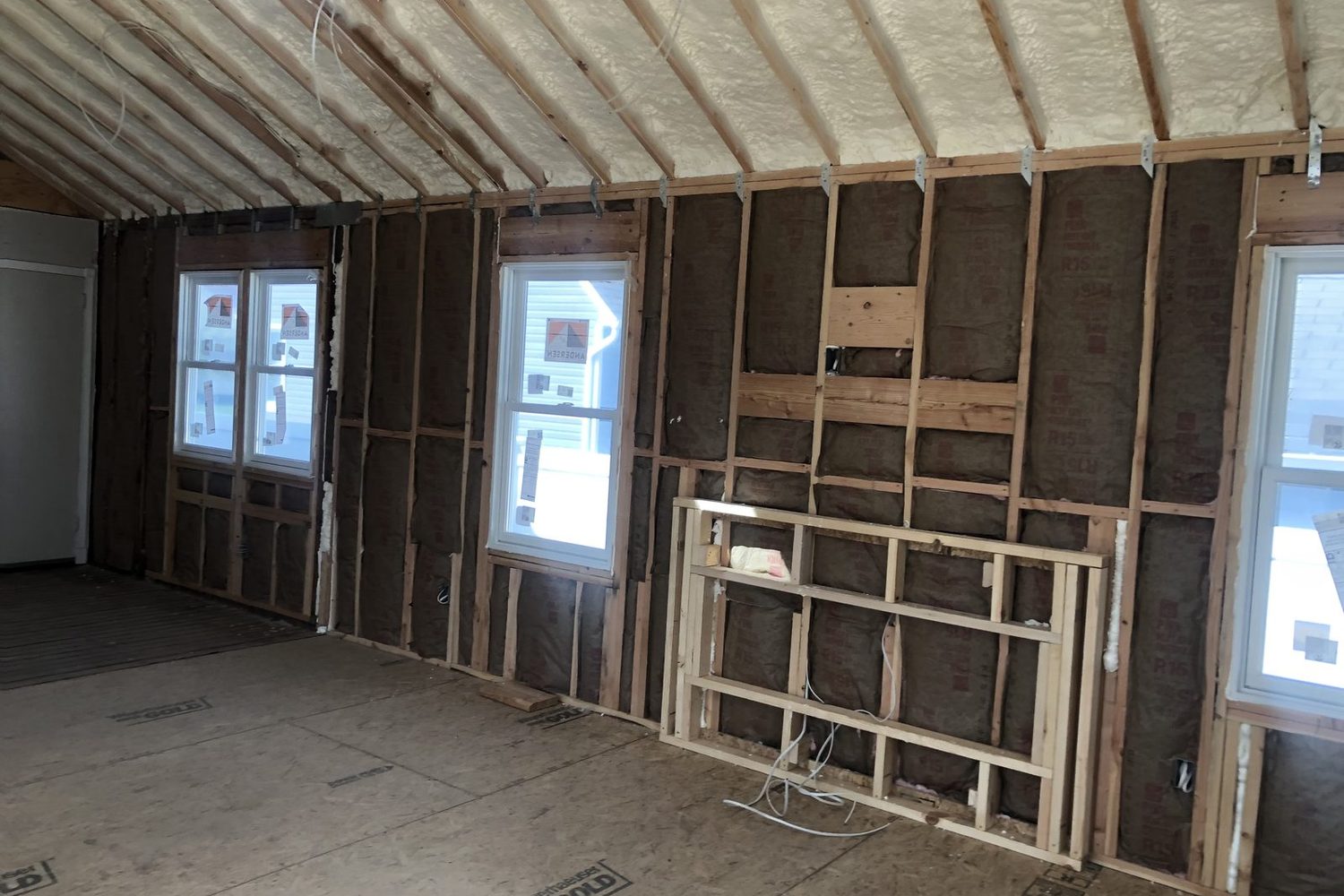
Most homeowners ask this in the last week of August. School is about to start, the summer that was supposed to include a new kitchen is nearly gone, and it comes down to two choices: get something moving this fall, or let it become a spring project.
No single month is the best time of year to renovate on Long Island. There is a best time for your project, set by three things: how long your town takes to issue the permit, whether the work needs unfrozen ground or an open exterior, and how bad it will be to live in the house while it happens.
The permit calendar decides more than the weather does.
Homeowners plan around forecasts. Contractors plan around building departments. If your project needs a permit, which covers additions, dormers, decks and most work that moves a wall, the application date is the real start date.
Applications pile up in the same months every year. Everyone who decided over the winter to build a deck files in March and April, and the queue stretches to match. File in October and the line is shorter. The Town of Babylon's permit applications and documents page lists what each type of work has to submit, and Smithtown takes residential applications through an online portal. Read those requirements before you pick a start month.
So if you want a shovel in the ground in April, file over the winter. Homeowners who call in April to start in April are usually really starting in June.
What the frost line does to exterior work.
Footings for an addition, a porch or a deck have to bear below the frost line, and that depth is why exterior projects have a hard seasonal edge here. Digging frozen ground is slow, and concrete poured into a freeze does not cure properly. Once the ground freezes hard, no amount of scheduling gets around it.
Masonry hits the same wall from a different direction. Brick pavers and patios need a base compacted in conditions that let it drain and settle, and sand set into frozen or saturated ground moves once the freeze-thaw cycle starts. That is how a patio lifts after a single Long Island winter.
Siding, windows and doors are more forgiving than people expect. Cold weather does not stop a window install, it changes the sequencing, so the crew takes one opening at a time instead of stripping a whole wall. Sealants have minimum application temperatures, so a cold snap can push a day, but a January window replacement is ordinary work.
Late summer into fall is the best exterior window on Long Island.
September and October are the strongest months for outside work here. The ground is workable, the humidity has broken, and the days are still long enough for a full shift. If you are re-siding a house in Bay Shore or building an addition in Commack, this is the stretch you want.
The caveat is one every Long Island homeowner knows: this is also the tail of hurricane season and the start of nor'easter season. Any project that opens up the shell of the house, siding coming off or a dormer cut into a cape, needs a crew that dries it in at the end of every day. Ask how the house gets protected overnight. The answer tells you a lot.
The goal of a fall start is to get the structure framed, the windows in and the house weather tight before Thanksgiving. After that the work moves inside and the forecast stops mattering.
Winter is the most underrated season for interior work.
The instinct says nothing gets built in January. For anything inside the house, the opposite is true. Kitchens, bathrooms, basements, flooring and trim are indoor work in a heated space, and January through March is when schedules have the most room in them. A kitchen that would be a summer scramble is often a calmer job in February.
Winter is also when the unglamorous work gets done. Insulation, air sealing and replacing windows that have been failing for years are all easier to justify when you can feel the draft. NYSERDA keeps its programs for New York residents and homeowners in one place, worth reading before you finalize a scope, since some improvements have to be documented a particular way to qualify.
The honest downside is livability. Interior work in winter means dust with the windows shut and salt tracked in. If the project takes out the only bathroom in a post-war cape, February is harder than July, when an outdoor sink is a reasonable thing to own.
Spring is the worst-kept secret in the business.
Everybody calls in March. The first genuinely warm Saturday produces more phone calls than any other day of the year, and the calendar for the whole season fills up from them. If you want to start in spring, book it in January.
Spring also brings the wettest ground of the year here. Excavating where the water table sits high is much harder in April than in September, and a wet spring can hold up a slab pour for weeks. Nothing about spring is bad for building. It is just the most crowded and the muddiest.
Summer, and why it is not automatically the answer.
Summer suits exterior projects, and anything that gets easier with the family out of the house. Two drawbacks are worth planning around. The first is humidity: hardwood flooring needs to acclimate before it goes down, and finishes take longer to cure in August air. Rush either step and you get cupped boards by the following summer. The second is that everyone is away. Vacations on both sides stretch a July timeline, and deliveries slow in the same weeks.
A month-by-month cheat sheet.
- January and February: Kitchens, bathrooms, basements, insulation and windows. File permits and order cabinets for a spring start.
- March and April: The busiest booking window of the year and the wettest ground. Fine for interior work; expect a queue for anything else.
- May and June: Strong all around for decks, patios, siding and additions, if you booked them earlier.
- July and August: Good for exterior work and for projects that make the house unlivable. Watch humidity on flooring, and plan around vacation weeks.
- September and October: The best exterior window here. Workable ground and low humidity, but have a storm plan for an open house.
- November and December: Get exteriors dried in early, then move inside. Holidays shorten the working month more than the weather does.
What actually decides it for your house.
Put the season aside and three questions settle the start date. Does the work need a permit, and how far ahead do you file? Does the project open up the exterior, and can that be closed back up before the weather turns? Can you live in the house while it happens, and is that easier in a month when the windows can be open?
Answer those and the calendar answers itself. A bathroom in a Northport colonial with a second bathroom down the hall can start in January without much drama. A rear addition on a Smithtown ranch really does want to be out of the ground by November. Different projects, different right answers, which is why generic "renovate in the fall" advice is worth so little.
The month is not what drives cost. Scope, materials, the condition of whatever is being replaced and how much has to change structurally do that. Timing changes how smoothly the job runs and how long you wait to start.
If you are weighing a fall start, it helps to see the process from the inside: what Islip, Smithtown and Babylon each want before you start, how long a bathroom remodel actually takes in Suffolk County, and how to live in the house while the work is going on. Our home additions, siding and kitchen remodeling pages cover how we run each type of project.